Latest news

A tale of twists and turns!

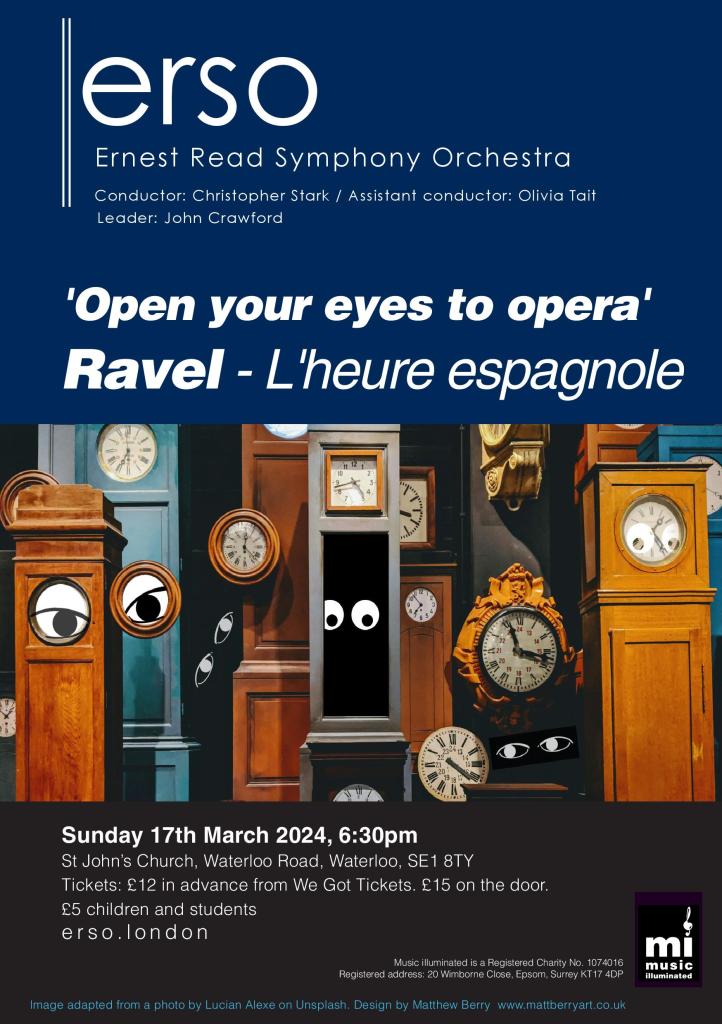
L’heure espagnole was described by its composer Ravel as a comédie musicale, based on the play by Franc-Nohain who also created the libretto for the opera.

The story takes place in eighteenth century Spain at the shop owned by the clockmaker Torquemada.

One evening Ramiro, a muleteer (or delivery man) arrives to have his watch mended just as Torquemada’s wife Concepcion comes to remind her husband he needs to go and look after the town clocks. She complains that he has not moved the clocks that she asked to be put in her room and her husband replies that this is because they were too heavy for him to carry.

Torquemada leaves, asking Ramiro to wait until he gets back so that the watch can be mended.

Concepcion is delighted that her husband has left so that she can see her lovers but irritated that Ramiro might get in the way of her plans, and so she asks him to move one of the grandfather clock to her bedroom.

Meanwhile, her lover Gonsalve arrives.  He is poet who is very self-absorbed and far keener to talk about poetry than to take any action, much to Concepcion’s frustration. Ramiro comes back down and to get rid of him again, she asks him to move the other clock upstairs, bringing the first one back. While he goes back upstairs to retrieve the first clock, Concepcion pushed Gonsalve into the second clock. Ramiro comes back with the first clock and effortlessly carriers the clock that contains Gonsalve upstairs, followed by Concepcion who is impressed with his Ramiro’s strength.

Don Iñigo, a banker who is another of Concepción’s admirers, arrives. He admits that he got Torquemada the job of looking after the town’s clocks to get him out of the way.  Whilst Concepion is upstairs he decides to be playful and hide in the remaining clock.

Ramiro comes down, having been asked to look after the shop whilst Concepion is upstairs with Gonsalve.  But she comes down complaining that the clock upstairs is noisy and asking Ramiro to check on it.  Don Inigo comes out of his clock and tells Concepion that he loves her, but she turns him down. Ramiro returns with the clock containing Gonsalve and offers to take up the second (containing Inigo who has hidden again). Concepcion accepts his suggestion.

She tried to get Gonsalve to leave as she is frustrated with his obsession with poetry, but he hides in his clock as Ramiro returns. As Concepcion returns, Ramiro realises that she isn’t happy with the clock upstairs and goes to fetch it.

Left alone, Concepcion voices her frustration with both admirers – one is obsessed with poetry and the other she finds unattractive.  She realises that she finds Ramiro’s strength much more attractive.  When he brings the clock containing Don Ingo back down, she asks Ramiro to accompany her upstairs – this time without any of the clocks!

Inigo and Gonsalves come out of their clocks as Torquemada returns. He apologises for keeping them waiting and seeing their interest in the clocks, he insists that they buy them. 

The cast join together to tell the moral of the tale  – in the pursuit of love, there comes a moment when it’s the muleteer’s turn.

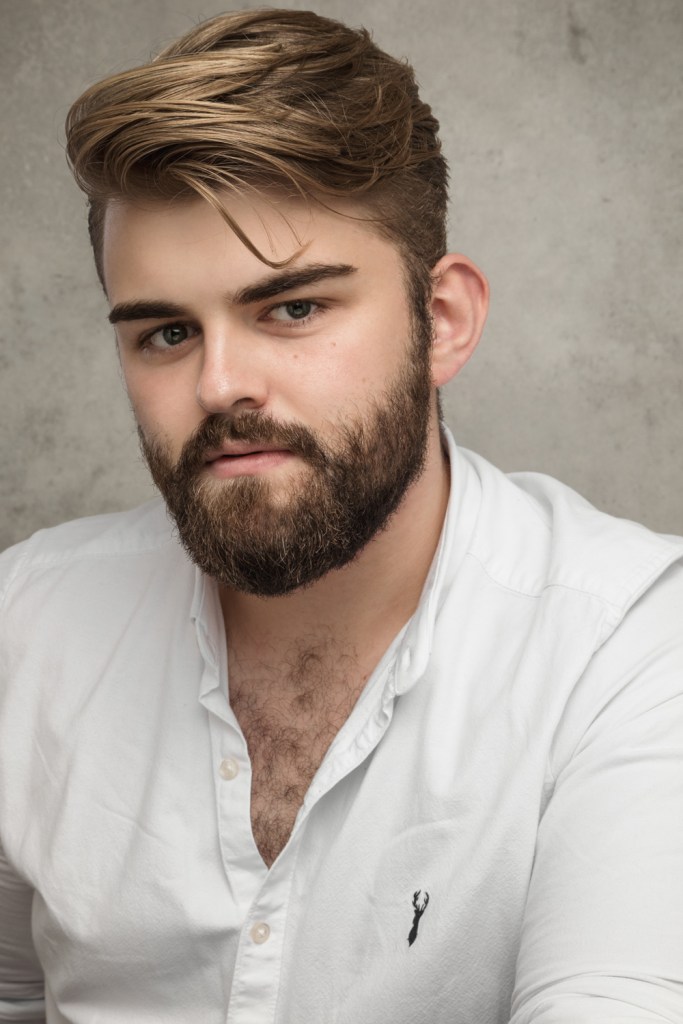
Guy Beynon – Torquemada

The role of Torquemada, the clockmaker, will be played by Guy Beynon.

Guy is a first class graduate of the Royal Northern College of Music and is currently in the final year of his postgraduate studies at the Royal Academy of Music, studying under Adrian Thompson.

Guy made his operatic debut with Bampton Classical Opera in their Haydn double bill of Lo Speziale and La Canterina. Alongside this Guy also played the Innkeeper Rasojo inBampton’s UK premier of Salieri’s At the Venice Fair. Guy’s time at the Royal Academy has seen him perform in their production of Stravinsky’s The Rake’s Progress directed by Frederic Wake-Walker as well as become a regular soloist in the Academy’s ‘Bach in Leipzig’ series working with world renowned guest conductors, including Masaaki Suzuki and John Butt. Guy is also a recent winner of the Marjorie Thomas Art of Song Prize for best overall recital as well as the Flora Nielsen French Song Prize, being very highly commended in both the Lieder and English song categories too. 

When did you start singing and what drew you to a career?

It was around the age of 17, where I realised it that Friday evening choir rehearsals were the highlight of my week. It was around this age that I started lessons with a quite inspirational teacher and very much caught the ’singing bug’.

What are you up to at the moment? 

I’m currently in the penultimate term of my postgraduate degree at The Royal Academy of music. I’m also involved with HGO’s production of Purcell’s ’The Fairy Queen’, with performance running 19th-28th April.

What might you gain from the ERSO experience?

Beyond French song and some scattered arias, I’ve not yet sung any French opera, and certainly not had the opportunity to delve into any roles. In addition much of Torquemada’s music is similar to spoken word which will surely test and hopefully enhance my French language skills.

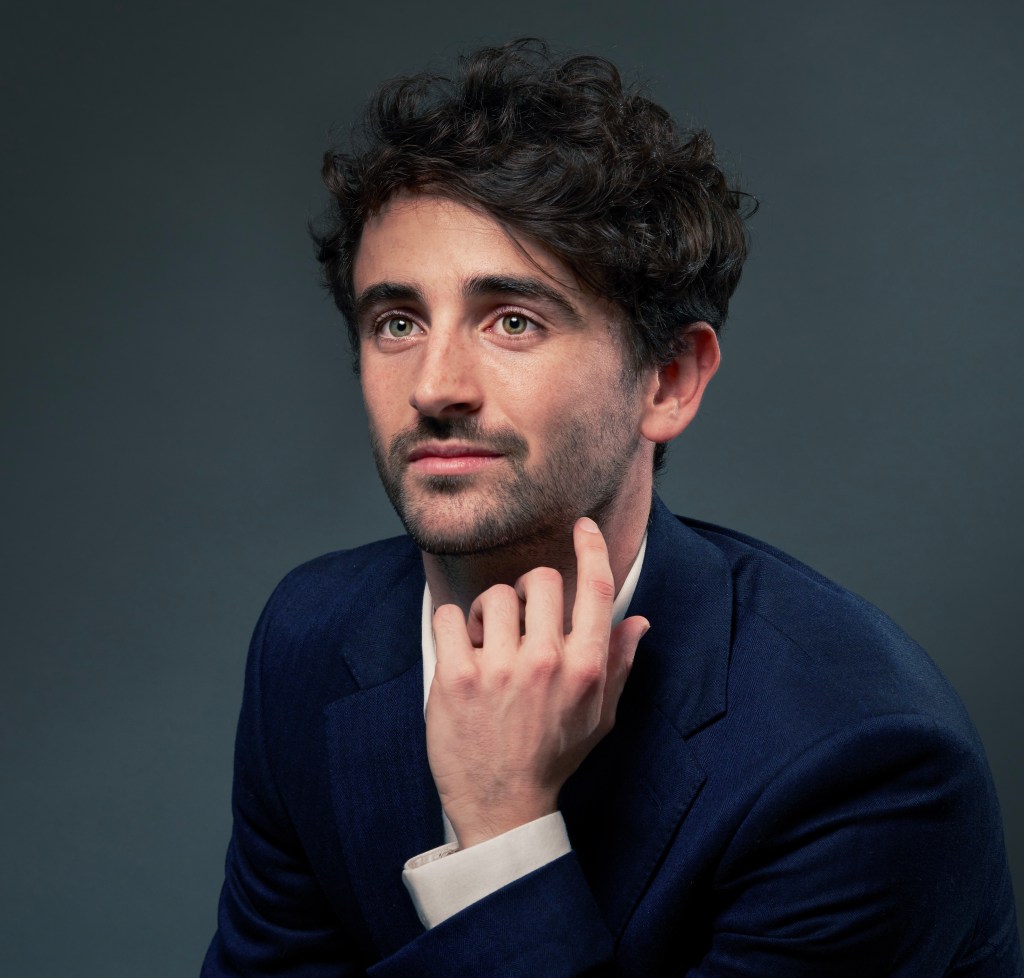
Dominic Felts – Don Iñigo Gomez

The role of Don Iñigo Gomez, a banker will be played by Dominic Felts. 

Dominic is a Bass-Baritone from Lincolnshire, now living in London. He graduated from the University of Hull in 2021 with a First-Class Bachelor of Arts degree with Honours in Music and received the Andrew Brown Memorial Prize for academic achievement. Dominic continued his studies at Trinity Laban Conservatoire and in July 2023 he graduated from the Master of Music programme with Distinction, specialising in Vocal Studies. As a budding solo artist, Dominic has recently won both the Trinity Laban English Song and Lillian Ash French Song competitions, as well as making the final of the AESS Dorothy Richardson English Song Prize with duo partner Pietro Iacopini. Together the duo were also selected for the Oxford International Song Festival Mastercourse in October 2023. In Opera, Dominic made his debut performance as Sarastro in Mozart’s The Magic Flute with Leeds Youth Opera. Since then, he has taken on significant roles in Trinity Laban’s Postgraduate Opera Scenes including Leporello in Mozart’s Don Giovanni, Claggart in Britten’s Billy Budd, Scrooge in Musgrave’s A Christmas Carol, and Sparafucile in Verdi’s Rigoletto

Dominic also has a keen interest in ensemble performance, singing regularly with London-based groups such as the Philharmonia Chorus, Exodus and Opera Rara Chorus. He has completed young artist programmes with several eminent UK-based ensembles, including The Sixteen and Stile Antico. Dominic is currently a member of the VOCES8 UK Scholars and the Emerging Artists Scheme at St Martin in the Fields. When he is not performing, Dominic enjoys assisting on music outreach and education programmes, most recently working with Gabrieli Roar for a performance of Elgar’s The Dream of Gerontius

In the academic year 2023/24, Dominic continues his studies at Trinity Laban part-time on the Artist Diploma course, generously supported by the Morag Noble, Kathleen Roberts and Elliot Rosenblatt Memorial Scholarships, whilst he continues to forge his path in a freelance career.

We caught up with Dominic to find out more:

When did you start singing and what drew you to singing as a career? 

I began singing in my local church choir at the age of 7. Weekly football and cricket matches before our Wednesday afternoon rehearsals kept me interested until I realised how much I loved singing! I began having singing lessons at secondary school and was involved in concerts and performances every year. The nerve-racking thrill of performing on stage was something I always thrived in, but the joy of singing with friends and meeting new people through music is what has encouraged me to pursue a career as a professional singer. 

What are you up to at the moment? 

After graduating from the Masters course at Trinity Laban Conservatoire in the summer of 2023, I am continuing my studies there part-time on the Artist Diploma course. As part of the course I am performing in the Postgraduate Opera Scenes, Masterclasses and weekly Song Classes to further my vocal development and performance. Meanwhile, I continue to build my professional career as part of the Emerging Artists scheme at St Martin in the Fields and one of the VOCES8 Scholars 2023/24. I also give regular recitals with my pianist, Pietro Iacopini, having participated as a duo in the Oxford International Song Festival Mastercourse in October 2023. 

What do you feel you might gain from this experience with ERSO?

Working with ERSO presents an opportunity to learn an opera role in its entirety and bring to life my own version of the character Don Iñigo Gomez. I also look forward to working with other young artists at a similar stage in their career, as well as getting the chance to sing as a soloist with a full orchestra behind me. 

Michael Temporal Darrell – Ramiro

The role of Ramiro will be performed by the hugely talented Michael Temporal Darell. He is a graduate of the Royal Academy of Music where he studied with Raymond Connell, Marcus van den Akker and James Baillieu.

Recent performance highlights include, a return to New Sussex Opera to perform with Sir John Tomlinson, solo recital at Am Hof 8 in Vienna, and a recital with legendary pianist Leslie Howard. Baritone solos in Carmina Burana and Brahms Requiem under the baton of John Lubbock, his role debut as Valentin in Faust for New Sussex Opera, Bach cantatas at the Royal Academy of Music under the baton of Masaako Suzuki, The Prisoner for Gardner’s new opera ‘The Prisoner’ with libretto by author and historian Matthew Green and directed by Eleanor Burke, Troll in Waley-Cohen’s ‘Witch’ for Royal Academy Opera directed by Polly Graham and conducted by Ryan Wigglesworth, Cox (Cox and Box) at the Reform Club for Opera at Home, Earl Mountararat (Iolanthe) for Green Opera directed by Eleanor Burke, King Alfred in Gardner’s ‘A New England’ at the Royal Academy of Music and Téte á Téte Opera Festival, Dr. Malatesta (Don Pasquale), Count Almaviva (Le Nozze di Figaro), and Figaro (Il Barbiere di Siviglia) for Opera Scenes at the Royal Academy of Music directed by Franciska Ery. Michael was also a Southrepps Festival Young Artist in 2022.

We caught up with Michael to find out more:

When did you start singing and what drew you to singing as a career? 

I started singing lessons when I was seven just because I enjoyed it. The combination of acting and the feeling of singing opera drew me to the career. I look forward to the day where I can sing and act on stage as much as possible!

What are you up to at the moment? 

Presently, I am taking some time out from Conservatoire to gain as much performance experience as possible. I hope to join a Young Artist Programme in Europe in the coming seasons.

What do you feel you might gain from this experience with ERSO?

The role of Ramiro is a role that I will sing for a long time. It’s quite well suited to my voice so the opportunity to learn it and perform with a great orchestra is really great. I also am really looking forward to collaborating with the wonderful musicians involved in this project!

Jack Dolan – Gonzalve

We’re thrilled to have talented young opera singer Jack Dolan playing the role of Gonzalve in our production of Ravel’s L’heure espagnole.

Born and raised in Manchester, Jack Dolan is currently based in London. He is a graduate of the Royal Birmingham Conservatoire and the Guildhall School of Music and Drama, having studied with Maureen Brathwaite, Sarah Pring and Adrian Thompson. At Guildhall, Jack was a John S Cohen Foundation Scholar and a Baroness de Turkenheim Scholar, supported by the Drapers’ Company.

Jack’s musical roots lie in rock and blues, and he studied guitar for six years whilst developing a love for Classical music. His eclectic musical tastes, from rock to musical theatre, sparked a fascination with vocal music and motivated his research into all different types of singing. Originally, he intended to follow an academic path and become a teacher; however, he was persuaded by Claire Surman to change his path to study at Conservatoire and train as a tenor.

We caught up with Jack to find out more:

When did you start singing and what drew you to singing as a career? 

I started singing quite late at the age of 15, honestly because I was terrible at GCSE music and my teacher told me singing would help me improve my musicianship. Eventually, my teacher thought I had a nice voice and got me an audition for a local amateur production of Les Mis. Through taking part in that production, I met my first singing teacher, Claire, who suggested I should try to sing professionally. Claire is a real inspiration to me, I had no idea about the process of training to be a professional musician at that stage and she guided me through everything. Since then, I’ve not looked back.


What are you up to at the moment?

I’ve just come out of two very busy summer and autumn seasons, which have been incredible. It’s nice to be enjoying some downtime at the moment. Currently, I’m working with ETO for their Spring season. I’m covering Edmondo and in the ensemble for Manon Lescaut and singing in the ensemble for The Rake’s Progress.

What do you feel you might gain from this experience with ERSO?

The chance to work on such an interesting piece of repertoire, with all of its amazing orchestral colours will be such a good experience. It’s also incredibly exciting to meet and work with a new conductor and group of artists for the first time. Singing as a soloist to professionals in the industry could lead to new opportunities, which is always an exciting prospect.

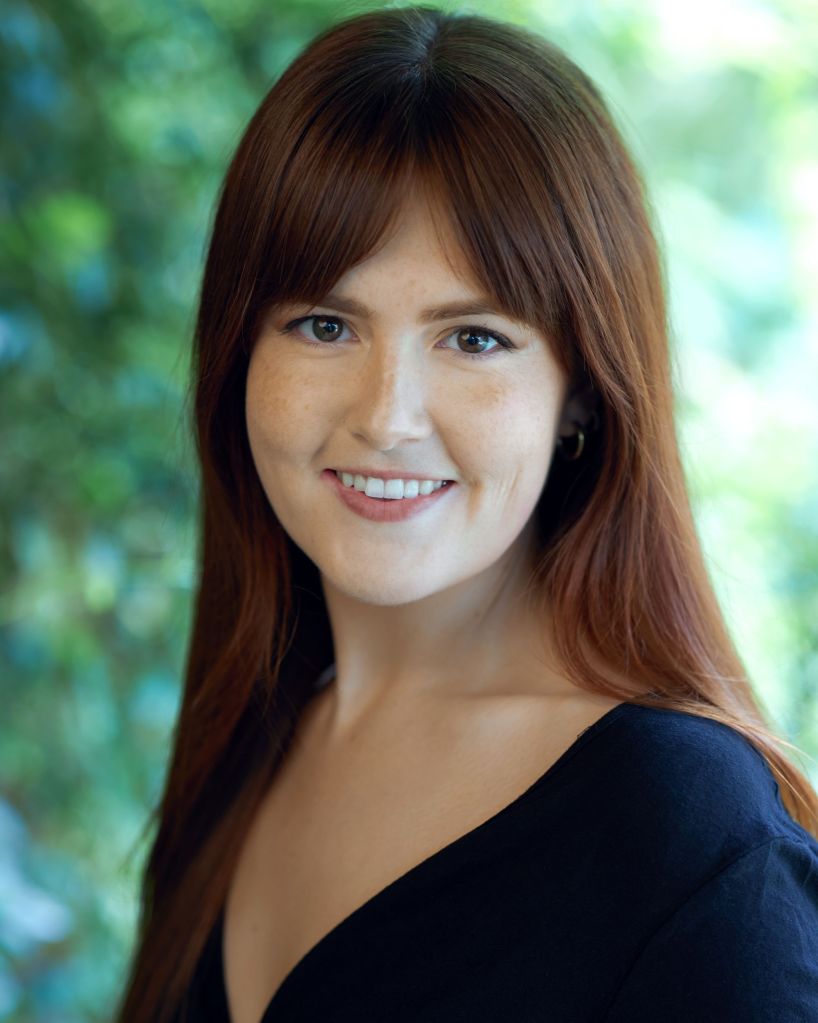
Phoebe Rayner – Concepción

We are delighted that the talented young mezzo Phoebe Rayner will be taking on the role of Concepción in our production of Ravel’s L’heure espagnole.

Originally from Oxfordshire, British mezzo-soprano Phoebe Rayner is a recent graduate of the Royal College of Music and Royal Northern College of Music. She is a Stoller Hall Emerging Artist and Britten Pears Young Artist specialising in contemporary music and the development of new works. Roles and scenes performed include Nerone in Agrippina (Hampstead Garden Opera), La chatte/L’ecureuil in L’enfant et les sortilèges (RCM Opera Studio), Stewardess in Flight (RCM Opera Studio), Hänsel in Hänsel und Gretel (Westminster Opera Company), Cherubino in Le Nozze di Figaro, Dorabella in Così fan tutte, and Nancy in Albert Herring (RCM Scenes).

We caught up with Phoebe to find out a bit more:


When did you start singing and what drew you to singing as a career? 

From an early age, I was inspired by theatrical singers like Cathy Berberian and Yma Sumac who challenged pre-conceptions of the classical voice, and knew it was a career I wanted to pursue. 

What are you up to at the moment? 

I’ve just finished a production with Gothic Opera and am now working towards upcoming engagements as part of my Stoller Hall Emerging Artist residency.  

What do you feel you might gain from this experience with ERSO?

As a recent graduate, this scheme will be an excellent support and will provide me with a brilliant performance opportunity and industry contacts. I’m so excited to be studying a dream role of mine. 

Time to start!

A great day of 2 halves yesterday kicking off our exiting new project “Open your eyes to opera” where we’ll present Ravel’s L’Heure Espagnole – a morning piano rehearsal with our amazing cast followed by a full orchestra session!

Left to right: Dominic Felts, Jack Dolan, Guy Beynon, Phoebe Rayner and Michael Temporal Darrell

Tenor for role of Gonzalve, L’heure Espagnole

ERSO is one of London’s leading and longest established amateur orchestras.  We work to a very high standard under the baton of Principal Conductor Christopher Stark, best known as Principal Conductor of RPS Award-winning Multi-Story Orchestra and for his extensive work in opera which has included Oper Köln, Glyndebourne Festival and Tour, Garsington, and English Touring Opera. 

In spring 2024 our Open your eyes to Opera project will provide opportunities for emerging opera singers to rehearse and perform with a full-sized orchestra and an experienced opera conductor in a concert presentation of Ravel’s L’Heure Espagnole.

Unfortunately, we have not managed to find a suitable tenor for the key role of  Gonzalve and are keen to hear from singers who might be right for this part.  We are offering a modest fee to the cast.

The cast members would ideally be available for all of the following dates (all at Camden School for Girls unless otherwise specified):

  • Piano rehearsal with principal conductor and Assistant Conductor 10am-1pm January 21
  • February 18th, 2-5pm rehearsal with orchestra and singer
  • March 3rd 10am-1pm rehearsal with orchestra and singers
  • March 10th 2-5pm rehearsal with orchestra and singers
  • March 17th 2.30 – 5.30pm rehearsal, concert 6,30pm at St John’s Waterloo

Anyone interested in the role should send a CV highlighting relevant experience and a video of up to 10 minutes (ideally French 20th century music if available) to ersoinfo@gmail.com.  Our conductor Chris Stark may want to meet or hold a short Zoom discussion with some candidates.

All about Adam!

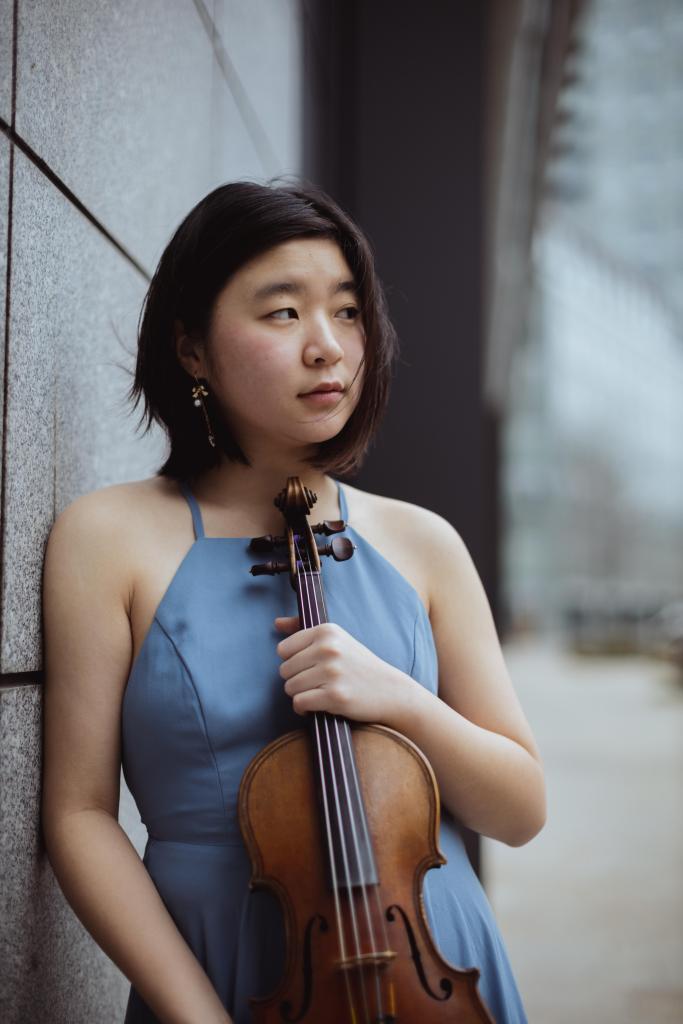
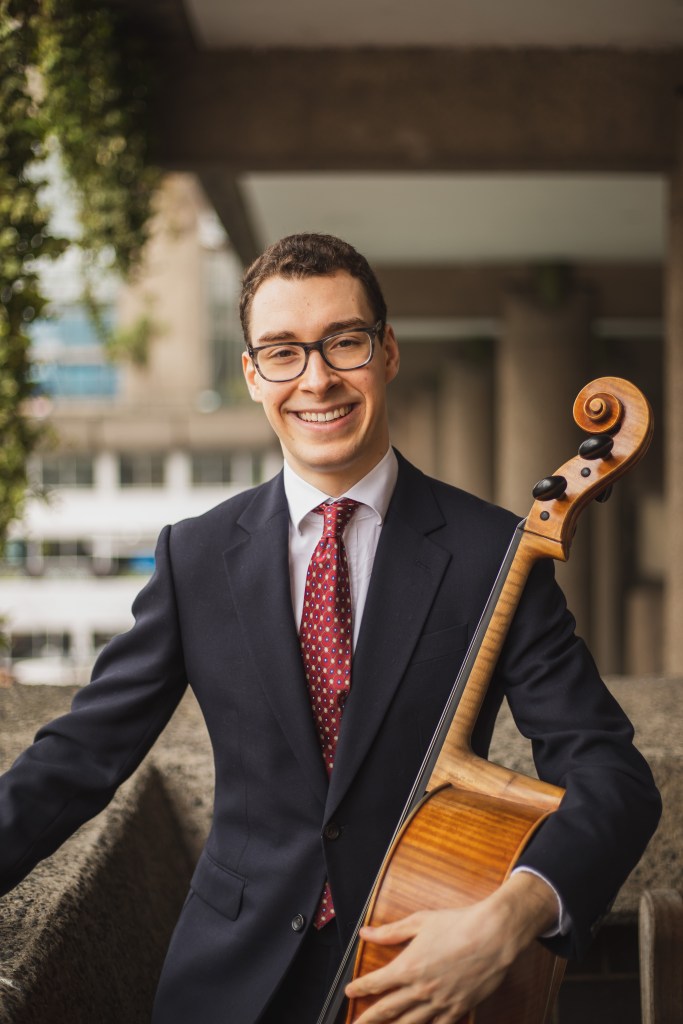
At ERSO we are thrilled to be performing Haydn’s Cello Concerto in C with talented young cellist Adam Cubitt.

Born and raised in Stoke-by-Nayland; Adam completed his last year at Chetham’s School of Music in July 2021, when he was awarded the prize for Outstanding Progress in Cello Playing, in addition to receiving the prestigious Boutflower Watch for his contributions to the school. He currently studies with Professor Josephine Knight at the Royal Academy of Music. Recent awards include the Audience Prize and the Ensemble Prize at the Essex Young Musician Competition 2023, as well as First Prize in the Harold Craxton Chamber Music Competition at the Royal Academy of Music (2023). Adam has participated in masterclasses with cellists such as Sung-Won Yang, Troels Svane, Gregor Horsch, Hannah Roberts and Mario Brunello. He plays on a Robin Aitchison cello, which was made for him in 2016.

We caught up with Adam to ask a bit more….

What made you choose to play your instrument and how old were you when you started?

When I was about four years old, I started to notice the cello while listening to BBC Radio 3, and began asking my mother for cello lessons; I started playing the cello when I was 4 ½ years old.

What made you choose the concerto that your will be playing?

Haydn’s Cello Concerto in C is one of our great works. I love it for its expressive power; it is lyrical, tender, and passionate.

What do you feel you will gain from playing your concerto with ERSO and Chris Stark?

To play Haydn’s Cello Concerto in C with ERSO and Chris Stark would be a great honour. It would be my first time playing it with an orchestra, so it would be wonderful to perform this music as it was meant to be played!

Principal Horn position

ERSO is recruiting for a new, highly experienced Principal Horn. 

ERSO is one of London’s leading and longest established amateur orchestras, playing to a very high standard.  Our Principal Conductor Christopher Stark is best known as co-founder and Principal Conductor of the RPS Award-winning Multi-Story Orchestra with whom he made his critically acclaimed BBC Proms debut in 2016.   We have a highly experienced professional leader, John Crawford, a Professor at Trinity Laban and former member of the BBC Symphony Orchestra and our string sections are led by talented young professionals.

We rehearse on Sundays in Camden and present a series of five concerts each year, always on Sundays, which combine high quality performance with an approachable style of presentation.  Recent and imminent repertoire includes Debussy La Mer; Brahms 4; Schubert 9; Sibelius 6; Walton 1; Shostakovich 10 and Ravel’s L’Heure Espagnol.

ERSO has a long history working with children and emerging professional musicians.  Two events each year are dedicated to working with Camden children and our ERSO Talent Programme  provides multiple opportunities for young professionals each season.

Our ideal candidate is an excellent, enthusiastic, experienced musician who would be interested in being part of our team of wind principals for at least a couple of years.   The role also involves leading and developing a strong and stable horn section.  As we are an amateur orchestra this is an unpaid role.

The schedule can be accessed to give an idea of our rehearsal pattern: Rehearsal schedule – ERSO

Check us out at ERSO.London and Ernest Read Symphony Orchestra | London | Facebook

As this is such a critical role for the orchestra, we plan to create a shortlist of really strong, keen players who will then each have a chance to spend some time in the role so that we can find the right fit for this position.

If you are interested please send us a short CV highlighting relevant orchestral experience to ersoinfo@gmail.com